Control rooms are one of the most critical places in modern society. Control rooms are used for many purposes, from traffic monitoring to military operation centers and hospitals to casinos. This blog post will give you an overview of ten control rooms to understand what they’re used for and how they work.
Control rooms are one of the most critical places in modern society. Control rooms are used for many purposes, from traffic monitoring to military operation centers and hospitals to casinos. This blog post will give you an overview of ten control rooms to understand what they’re used for and how they work.
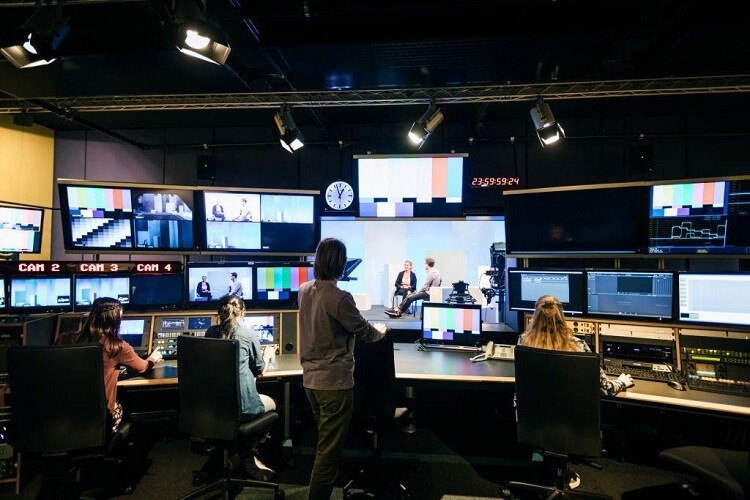
What is a Control Room?
A control room, by definition, is a central location where technicians and managers manage the everyday operations—as well as maintain and enact crisis operations—for a given entity.
Control rooms are used in many industries, including oil and gas pipelines, prisons, and air traffic control. In this article, we are looking at the differences between several types of control rooms. As you’ll see, each kind of room has unique considerations—and some things they have in common.
Ten Different Types of Control Rooms
Traffic monitoring control rooms
Traffic monitoring control rooms
Traffic lights control rooms
Traffic camera control rooms
Traffic flow in tunnels, bridges, and highways monitoring control rooms
Airport control rooms
Airport control rooms are used to monitor and control the movement of aircraft. They can also be used for managing airport facilities such as baggage handling.
Casino surveillance control rooms
Casino surveillance control rooms are used to monitor the casino floor. Casino surveillance systems help casinos increase security and provide added convenience for customers by allowing them to make withdrawal requests without visiting a cashier's cage.
Manufacturing control rooms
A manufacturing control room is a room that monitors and controls the manufacturing processes of a company. The control room allows the operator to monitor equipment, the quality of products, the safety of employees, and environmental conditions. It also monitors production line activities such as scheduling and tracking product flow through the plant for efficiency gains.
Manufacturing control rooms are often used in companies with high-tech machinery or other complex processes that require constant monitoring.
Public utility control rooms
A public utility control room is usually located in a building that houses the power grid, water supply, gas supply, and telephone network. These rooms are designed to monitor all aspects of these networks at once.
For example, a public utility control room might be used to monitor:
The temperature of the water coming into a treatment plant from different sources
The pressure of gas flowing through pipes in other areas of town and how many customers are connected to what pipes
Whether there are any breaks on any lines or disruptions in service due to maintenance needs or accidents
Building security control rooms
A building security control room is a room that monitors the security of a building, often through surveillance cameras, alarm systems, and other monitoring devices. This control room protects against theft, vandalism, and other crimes in public places such as retail stores, offices, and hospitals. The space can also warn building owners or managers if there are any problems with their security system so they can take action before criminals can enter the premises undetected.
This type of control room may include:
Security cameras monitor hallways, entrances, exits, and other areas where valuable items could be stolen from an establishment. These cameras might also catch shoplifters or people who try to break into locked rooms within an office complex at night when no one else is around (e.g., janitorial closets). They may even catch muggers who try robbing someone after dark on street corners near businesses where there aren’t many street lights nearby due to being located near residential neighborhoods instead (e.”
UPS/NOC (data center) monitoring control rooms
UPS/NOC (data center) monitoring control room: These control rooms are used to monitor data centers. If a server goes down, the UPS/NOC control room can see it and take preventative measures before too much damage is done. They can also be used to monitor security systems and networks.
UPS/NOC (server) monitoring control room: These are similar to their counterpart above, but they tend to focus more on servers than networks or data centers. Data center operators will usually manage both operations simultaneously to ensure they don’t lose track of anything important!
Network operations or network operations center (NOC)
A network operations center (NOC) is a facility that monitors the network infrastructure of a company or service provider. NOCs are usually located at the headquarters of the company or service provider, and they have complete control over all its components. The NOC has many responsibilities, including:
Monitoring alarms, alerts, and events generated by devices on the network
Providing real-time analysis for trouble tickets submitted by users
Troubleshooting problems related to connectivity, performance issues, and security incidents
Military command and control center (C2)
A military command and control center (C2) is a type of control room used by the military to monitor and manage operations. The C2 is usually located in a military headquarters but can also be found inside an aircraft carrier or warship. A C2 can also be found in other buildings, including office buildings and manufacturing plants.
Leaders use a C2 with large numbers of soldiers who must communicate quickly and simultaneously act on information from different sources. The information may come from intelligence officers, scouts or spies, satellites orbiting above enemy territory, or humans on the ground near enemy installations such as gun batteries or missile sites.
Hospital operating room suites (ORs) and emergency room (ER)
Hospital operating room suites (ORs) and emergency room (ER) control rooms are hospitals’ most common types of control rooms. They are typically located in the hospital’s basement or sub-basement, which is a good thing for two reasons:
The location makes it easier for patients to get to the OR and ER quickly.
It also makes communication easier for people in these departments since they’re all located on one floor or within earshot of each other.
In both cases, all types of audio feeds from various departments can be accessed at once—including those from surgery, X-rays, and labs—so that doctors can listen in on discussions happening inside those departments without having to go anywhere themselves!
Control Rooms are used for many different purposes
A Control Room is where the people managing and operating a production or process can contact each other. It’s like a hub for all the information.
The Control Room can take many forms, ranging from an expensive high-tech room with flashing lights and large screens to something as simple as an office desk with some phones.
Common Mistakes When Creating a Control Room
To work more efficiently, you should ensure that your control room is well organized. This means that there must be a place for everything, and everything must be in its place. We’ve compiled the following list to avoid making some of the most common mistakes.
Avoid Poor Lighting
It’s essential to keep your control room well-lit so that employees can see the equipment. If you skimp on costs by cutting down on the lighting, you’ll receive poorer quality of work. You’ll also ask your employees to provide fast answers when they can’t even correctly see their equipment.
Not only will this lead to lousy employee retention, but it could also mean dire consequences for officers in the field. Imagine that you have built a control room for a police department, yet the officers inside can’t see everything. The difference in the time it takes for them to figure out what’s going on could cause someone’s death. Don’t take this chance. Always provide enough light for your control room.
Not Being User-Friendly
If a control room isn’t user-friendly, it will be hard for employees to do their jobs. Therefore, you should ensure that everything inside the control room is easy to find and use. The room should never become cluttered or noisy.
When designing a control room, remember to plan for future expansion. Creating with extra space in mind will be much easier than trying to pack extra people and equipment into the existing space. Planning will ensure everyone has everything they need to do their jobs well. After all, no one will do their best work if they have a coworker practically sitting in their lap. Provide ample space for everyone and plan the layout of desks so that it makes sense to each employee.
Using Outdated/Non-Ergonomic Furniture
Are you trying to save money on your control room by reusing old control room console furniture and other technical furniture?
Don’t. It’s not worth it in the long run.
The fact is that using ergonomic furniture will allow your employees to stay sharp for longer, which means they’ll be able to handle more work and do it better. If you choose the ancient furniture route instead, you’ll see a rise in absenteeism and a drop in productivity—and that’s not what anyone wants! Instead, purchase newer, lightly used control room furniture and watch people comfortably rise to the challenge.
However, that’s not to say that you can never invest in used furniture. For instance, Saraval Industries has a wide selection of used technical benching, conference room furniture, work chairs, and more that are ergonomic and cost-effective.
Creating a Layout That Doesn’t Take into Account Your Employees
Have you ever seen a control room that looks fabulous but doesn’t work the way it should? This is what happens if you value flash over substance. Instead, stop reinventing the wheel and go with a well-designed workflow. Make sure you take into account how your employees work, along with how they collaborate. These pieces are critical to a successful control room, so don’t forget to consider them before you set everything up.
You can do this by starting with a few basic questions:
-What does your team need from their control room? What do they want out of it?
-What kind of space will be most conducive to your needs? Is it more important for everyone to be close together or spread out across multiple locations?
-How can you best optimize the productivity of your team members in any given situation? What do they need from each other to work effectively together?
Conclusion
Now that you know the control room, you may wonder if there’s anything else. The answer is yes! Many control rooms can be found in hospitals, airports, casinos, and more. Each serves a different purpose, but they all share one thing: they keep people safe by providing them with the information they need to make decisions quickly and accurately.

