In today’s fast-paced industries, control rooms are the nerve centres where critical decisions are made. Whether it’s managing city traffic, monitoring security, or overseeing power grids, the efficiency and comfort of the control room setup directly impact performance. That’s why investing in custom control room consoles is essential. These consoles are not just furniture; they are carefully engineered solutions designed to enhance productivity, ergonomics, and operational effectiveness.
Custom control room consoles offer tailored solutions that standard furniture simply cannot match. When you customise your control room consoles, you ensure that every inch of space is optimised for your specific needs. This means better organisation, easier access to controls, and a workspace that supports long hours of focused work without fatigue.
For example, in industries like petrochemical, public security, smart cities, airports, and telecommunications, operators often work in shifts that last many hours. A console designed with ergonomic principles reduces strain on the body, minimises distractions, and improves concentration. This leads to fewer errors and faster response times.
Moreover, custom consoles can integrate seamlessly with your existing technology. Cable management systems, adjustable monitor mounts, and modular components allow for flexibility and future upgrades. This adaptability is crucial in environments where technology evolves rapidly.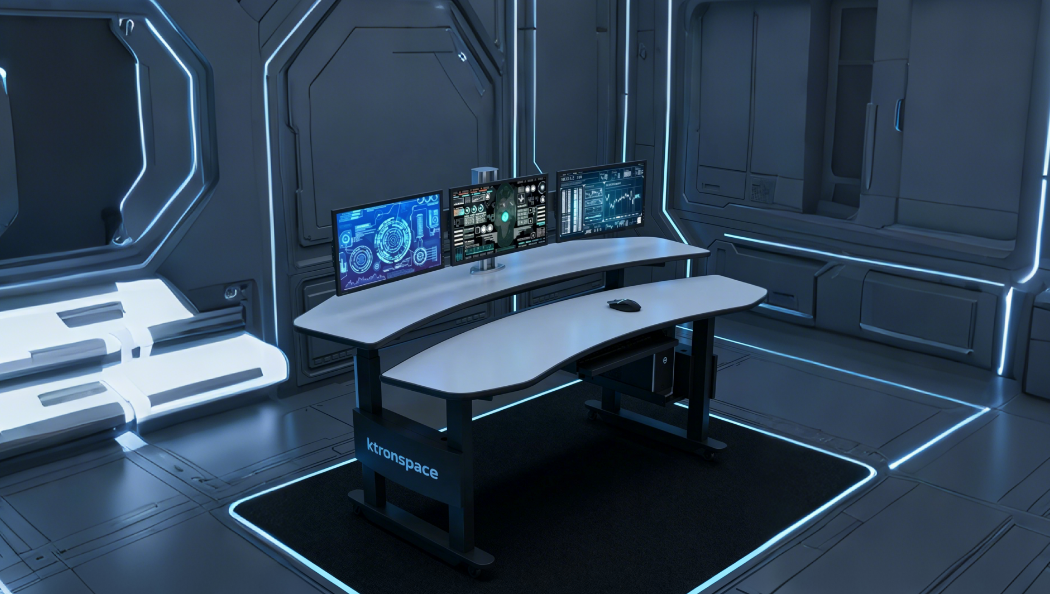
Different industries have unique requirements for their control rooms. Custom consoles can be designed to meet these specific demands, making them invaluable assets.
Petrochemical and Energy: These sectors require consoles that can withstand harsh environments and provide clear visibility of multiple data streams. Custom consoles can be built with durable materials and designed to accommodate large video walls and control panels.
Public Security and Smart Cities: Operators need quick access to communication tools and surveillance feeds. Consoles with integrated communication stations and adjustable surfaces improve workflow.
Airports and Transportation: These control rooms benefit from consoles that support multiple operators working side by side, with easy cable routing and noise reduction features.
Finance and Broadcasting: Precision and speed are critical. Custom consoles can be tailored to support high-end computing equipment and provide optimal lighting conditions.
Government and Telecommunications: Security and confidentiality are priorities. Consoles can be designed with lockable compartments and secure cable management.
By addressing these industry-specific needs, custom control room consoles help organisations maintain high standards of safety, efficiency, and reliability.
A control console is a specialised workstation designed to house the equipment and controls needed to monitor and manage complex systems. Unlike regular desks, control consoles are engineered to support multiple screens, communication devices, and control panels in an organised and ergonomic manner.
Typically, a control console includes features such as:
Adjustable height and tilt for monitors and work surfaces
Integrated cable management to prevent clutter
Modular components for easy reconfiguration
Durable materials that withstand continuous use
Ergonomic design to reduce operator fatigue
The goal of a control console is to create an environment where operators can work efficiently and comfortably, even during long shifts. This is especially important in control rooms where split-second decisions can have significant consequences.
Selecting the right custom control room console requires careful consideration. Here are some practical tips based on my experience:
Assess Your Workflow: Understand how operators interact with equipment and each other. This will help determine the console layout and features needed.
Prioritise Ergonomics: Look for consoles with adjustable components to accommodate different users and reduce fatigue.
Plan for Technology Integration: Ensure the console supports your current and future technology, including cable management and mounting options.
Consider Space and Layout: Measure your control room carefully and choose consoles that fit well without overcrowding.
Choose Durable Materials: Invest in consoles made from high-quality materials to ensure longevity and stability.
Think About Maintenance: Select designs that are easy to clean and maintain, especially in high-traffic control rooms.
Request Customisation Options: Work with manufacturers who offer tailored solutions to meet your specific needs.
By following these guidelines, you can select a console that not only fits your space but also enhances productivity and comfort.
As technology advances, control room consoles will continue to evolve. We can expect more integration with smart systems, improved ergonomics, and greater flexibility. Custom consoles will play a vital role in this evolution by providing adaptable platforms that support new tools and workflows.
In addition, sustainability is becoming a priority. Manufacturers are exploring eco-friendly materials and energy-efficient designs. This aligns with global efforts to reduce environmental impact while maintaining high performance.
Investing in a custom control room console today means preparing your operations for the challenges of tomorrow. It’s a strategic decision that pays off in improved efficiency, operator well-being, and operational resilience.
Choosing the right custom control room consoles is a critical step in building an effective control environment. With thoughtful design, ergonomic features, and industry-specific customisation, these consoles transform control rooms into centres of excellence. Whether you manage a petrochemical plant, a smart city network, or a financial trading floor, the right console makes all the difference.

