The console in the control room and command center is not only a tool for operator efficiency, but also a key link to ensure the stable operation of the entire system. From ergonomic design to intelligent adjustment systems, to wire management and safety assurance, the design concept of modern consoles is increasingly focused on optimizing the operator's working environment, improving work efficiency and health. In the future, with the continuous development of technology, consoles will further
In modern control rooms and command centers, the console is not only a tool for operators to work, but also the core of the efficient operation of the entire system. Whether in the fields of finance, transportation, electricity or emergency management, the design of the console directly affects the operator's work efficiency, comfort and emergency response capabilities. In order to cope with the increasingly complex working environment and task requirements, ergonomics and intelligent design have become important considerations in the design of the console.
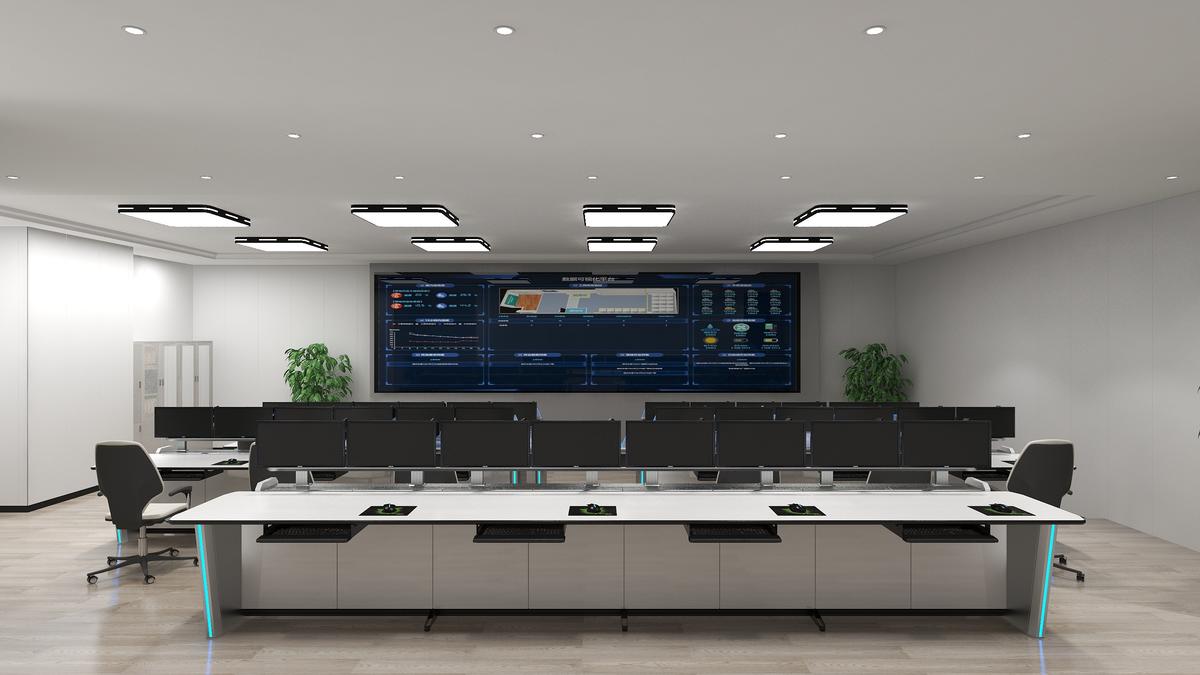
1. Ergonomic design: Optimizing comfort and operating efficiency
Ergonomic design is the key to improving the comfort and efficiency of the console. A scientific design can not only improve the operator's work efficiency, but also greatly reduce the physical discomfort caused by long-term work.
- Display layout and angle adjustment
The display position of the console should be reasonably arranged according to the operator's height and work habits. The center of the display should be parallel to or slightly lower than the operator's line of sight to ensure that the eyes do not need to adjust too much and reduce neck and eye fatigue.
- Height adjustment of seat and operating table
The height of the operating table should be customized according to the operator's body size to ensure that his feet can land steadily and his thighs and calves are at right angles. With an adjustable height chair, the operator can easily find the most comfortable sitting position and reduce muscle and joint pressure caused by improper posture.
The operating table should be designed according to ergonomics to ensure that commonly used input devices (such as keyboard, mouse, touch screen, etc.) can be naturally placed within the operator's operating range, avoid stretching or twisting the arm for a long time, and reduce wrist and finger fatigue.
2. Environmental control: Provide a comfortable working space
The design of the console should not only consider the operator's work needs, but also create a suitable working environment.
- Ventilation and air circulation
Efficient ventilation design can help regulate indoor temperature and humidity and avoid overheated air blowing directly at the operator. Good air circulation can not only improve comfort, but also ensure stable operation of the equipment and extend its service life.
- Light adjustment and anti-reflection design
Appropriate lighting design is particularly important for the control room. Avoiding strong direct light sources and excessive shadows can reduce the burden on the eyes. The anti-reflection coating on the display surface and the reasonable lighting angle can greatly reduce screen reflections and ensure that the operator can work with a clear field of vision.
3. Wire management: ensuring neatness and safety
Wire management is an often overlooked but crucial aspect in console design. Modern consoles not only need to provide a comfortable working experience, but also need to ensure stable power supply and signal transmission of the equipment, while keeping the working environment neat and safe.
- Integrated cable management system
Consoles are usually equipped with integrated cable management systems, which help to manage cables and wires in an orderly manner through intelligent layout and hidden design. Reasonable wire distribution can not only avoid cable clutter and improve aesthetics, but also reduce equipment damage or fire hazards caused by cable accumulation.
- Cable outlet and socket layout
In order to ensure the safety of wires and not occupy extra space, the cable outlets and sockets of the console should be reasonably arranged. Usually, multiple power sockets and signal interfaces are designed on the back or side of the console to ensure that each device can be connected to the external system, and the cable layout is clear and orderly to avoid entanglement or loosening of wires, which affects the normal operation of the equipment.
- Prevent excessive bending and wear
Wire management should take into account avoiding excessive bending or compression, especially when plugging and unplugging frequently. Professional cable management solutions use tools such as cable trays, fixing straps and wire troughs to ensure that cables remain straight and reduce circuit failures caused by long-term wear.
- Environmentally friendly and safe materials
In the design of console wire management, it is very important to use high-temperature resistant and flame-retardant materials. Such cables can not only provide stable power transmission, but also effectively prevent the risk of fire caused by aging or damage of wires. At the same time, the application of environmentally friendly materials can also reduce the release of harmful substances and ensure the health of operators.
4. Intelligent design: improve work efficiency
Modern consoles are increasingly focusing on intelligent design, using the latest technology to improve operational efficiency and enhance operator decision support.
- Integrated system and real-time data monitoring
Consoles often integrate multiple systems, such as video surveillance, sensors, data analysis platforms, etc., so that operators can obtain and analyze various types of information in real time on a unified platform. Through intelligent data analysis tools, operators can detect potential problems and respond more quickly, improving the response speed of emergency handling.
- Intelligent adjustment system
Some consoles are equipped with intelligent adjustment systems that can automatically adjust the height and angle of seats, displays and operating desks according to the height, body shape and working habits of operators, ensuring that each operator can operate in the most suitable working environment for themselves.
- Alarm and notification system
When the system is abnormal, the intelligent alarm system equipped with the console can notify the operator in time, helping them to quickly locate the problem and take necessary countermeasures. Real-time notifications and alarms can greatly improve the response efficiency and safety of the command center.
5. Security and stability: escort for high-risk industries
In some high-risk industries, such as financial transactions, public safety and energy management, the security and stability of the console are crucial. Modern consoles ensure reliability at critical moments by strengthening hardware design and redundant systems.
- Redundant power supply and failover
In order to avoid the impact of power outages or system crashes, many consoles are equipped with redundant power supply designs. By automatically switching to backup power, it can ensure that the system can continue to operate under any circumstances and avoid unexpected events.
- Sturdy structure and anti-interference design
The material of the console is made of high-strength materials to ensure that it can withstand long-term high-intensity use. At the same time, the anti-interference design is adopted to effectively avoid the impact of external noise and electromagnetic interference on system stability
Conclusion
The console in the control room and command center is not only a tool for operator efficiency, but also a key link to ensure the stable operation of the entire system. From ergonomic design to intelligent adjustment systems, to wire management and safety assurance, the design concept of modern consoles is increasingly focused on optimizing the operator's working environment, improving work efficiency and health. In the future, with the continuous development of technology, consoles will further develop in the direction of intelligence and humanization, helping all walks of life to cope with more complex and changing work challenges.

